Hi everyone,
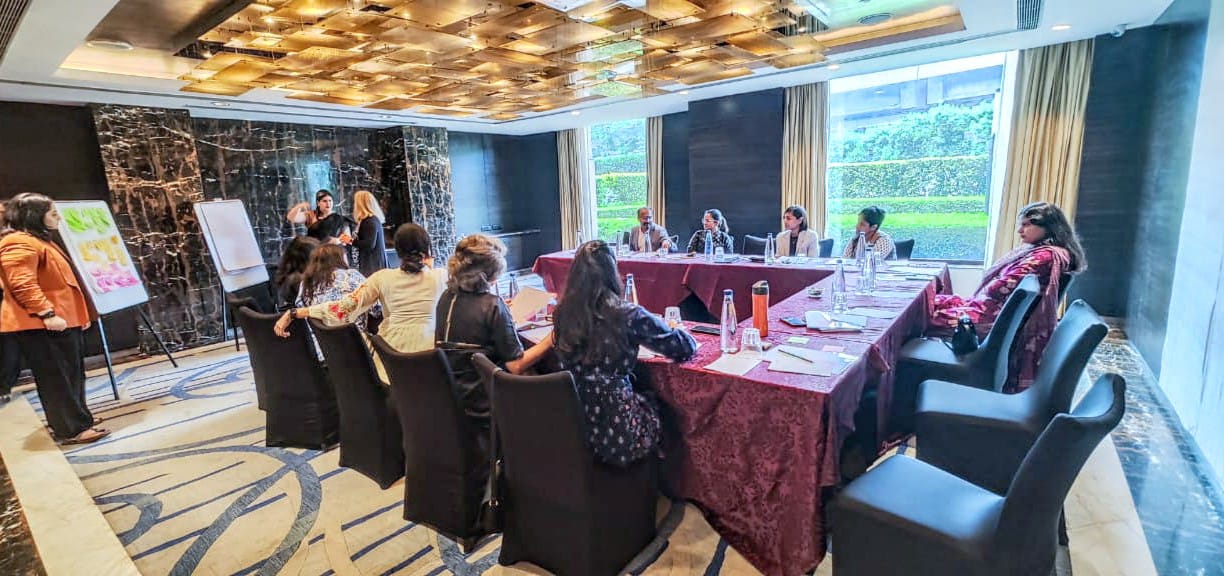
I’m excited to share that I’m in Delhi for the first time, and it’s been quite an experience so far. I’m here for the Indian Childhood Cancer Institute Task Force meeting on setting standards for Pediatric Psycho-Oncology Services. Day 1 was truly incredible. I’m honored to be part of this task force meeting, which includes pediatric oncologists, psycho-oncologists, psychologists, neuropsychologists, founders, researchers, and parents of survivors - and then there’s me. It’s been a bit overwhelming, but also a fantastic opportunity to network and learn, even though I only recognized a few familiar faces.
Moderation and Contributors
The session was moderated by Dr Ramandeep Arora, a Pediatric Oncologist whom I first met at PHOSCCON. It’s remarkable to see a physician so dedicated to this cause, and I’m genuinely impressed by his commitment. I also want to give a shoutout to Dr Ruchira Misra and all the other physicians who stayed engaged throughout the sessions and made valuable contributions.
Key Points from the First Session
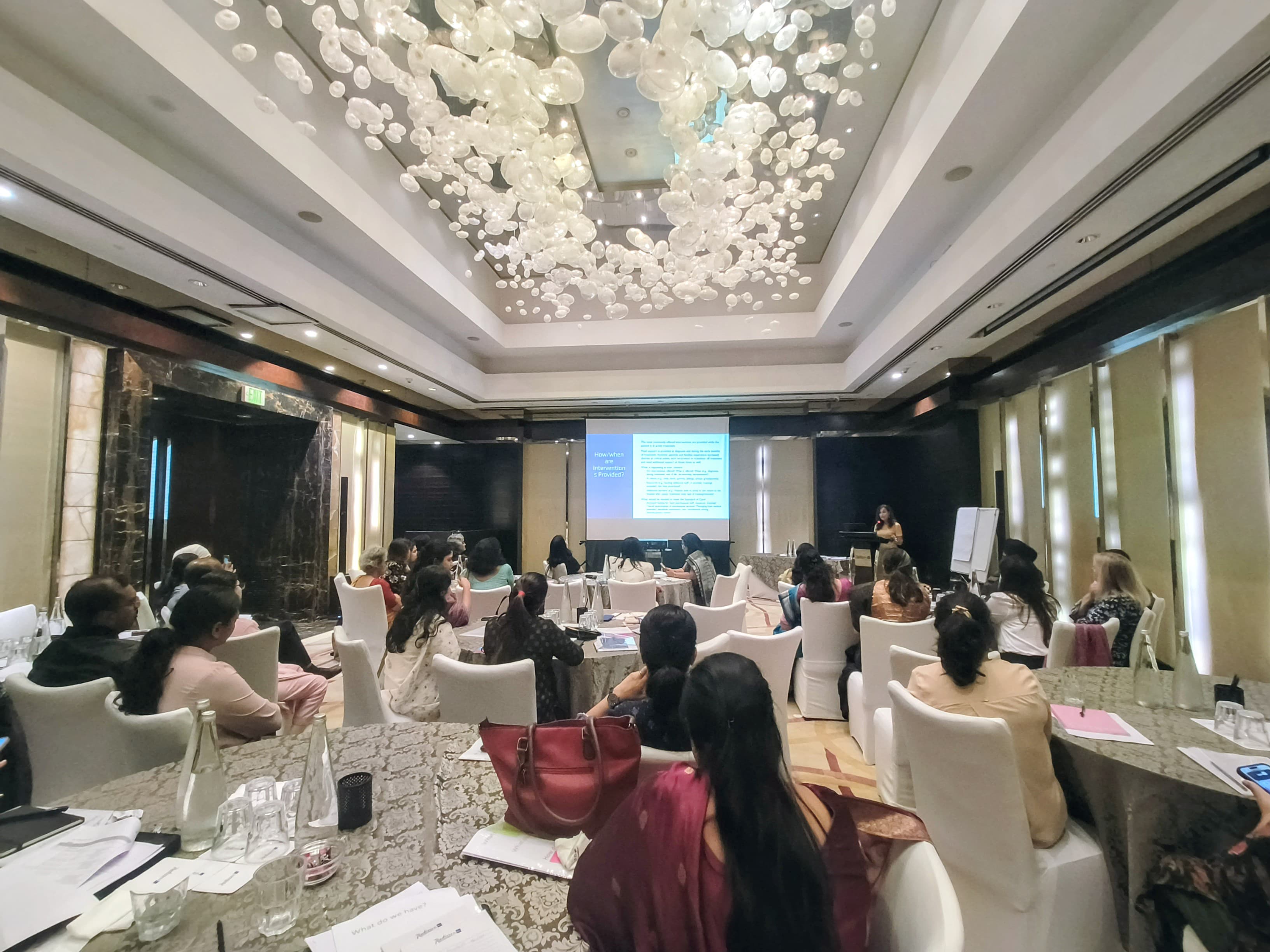
The first session, presented by Lori Wiener, Director of the Psychosocial Support and Research Program and Co-Director at NIH, focused on ‘Role Model’ services established globally. She emphasized four key points that caught my attention:
- Involving Multidisciplinary Experts: Engaging pediatric psychologists, oncologists, social workers, and other stakeholders.
- Mapping Essential Services: Continuously tracking available services such as nutrition, psychology, and social work to identify and address gaps.
- Standardizing Assessment Tools: Implementing uniform assessment tools.
- Drafting a Position Statement: Creating a comprehensive position statement on psychosocial support to outline principles and guidelines for effective care.
These points were significant throughout the session. For example, mapping essential services highlighted the pressing need to address gaps in manpower. Additionally, we discussed the need for uniformity in screening and assessment, which was another major concern for the team.
Breakout Sessions and Discussions
I found the breakout sessions to be particularly engaging, as they allowed everyone to share their perspectives and collaborate on discussions. The first breakout session focused on evaluating and triaging referrals, considering the needs of children, parents, and siblings. We discussed our current resources, identified gaps, and explored ways to address them. Training, funding, and manpower emerged as critical needs from this discussion. The subsequent breakout sessions focused on the roles of carers, siblings, and family members in supporting the psychosocial well-being of the patient. In the session on mental health interventions, the team proposed various training programs and the development of supportive materials. One idea that particularly stood out to me, though not hearing it for the first time, but is not yet widely implemented in India. It involves using play sets and dolls to demonstrate medical procedures, such as how lines are inserted, to help children feel more at ease. Additionally, picture books about treatments like BMT can help prepare children and reduce their anxiety.
Notable Observations and Simple Interventions
I was also impressed by Brinda Sitaram Ma’am, the Founder Director of COPER and Psycho-Oncologist, who shared a notable observation. She discovered that using a simple intervention, like offering a lollipop (she observed that he likes lollipop), could significantly ease a child’s anxiety. This approach not only helped the child undergo a CT scan but also allowed him to complete all his radiation treatments without any tantrums. This example highlights how a simple, thoughtful observation can serve as a powerful intervention.
Community Engagement and Advocacy
During the session on psychosocial support for siblings and carers, one key point that resonated with me was the importance of community engagement. I appreciate Sandeep for echoing my thoughts on the disparity between standards of care for upper-middle-class patients versus those from below-poverty-line (BPL) backgrounds. In rural India, where families often have multiple children, the challenges are even greater. Families may struggle to provide adequate care due to financial constraints and the difficulty of managing multiple children when one is sick. We discussed the need for community involvement, particularly through Anganwadi workers, and advocated for assigning roles and responsibilities to community leaders to support siblings and families. Additionally, we talked about the importance of government advocacy to improve overall support systems.
Reflections on Day 1 and Gratitude
Overall, key themes that emerged on Day 1 included the need for additional funding and manpower, enhanced specialty training, advocacy, government lobbying, and the development of standardized screening and assessment tools. The primary objective of this two-day meeting was to gather all these stakeholders to share their insights, identify gaps and needs, and collaboratively develop comprehensive standards and guidelines for pediatric psycho-oncology services, and it was well served!
A big thank you to Poonam Ma’am for creating this opportunity for me to network and gain a deeper understanding of the system. I had the chance to speak with researchers and physicians, though I’m not tagging them here, and their insights were truly impressive. Rhea Duruvala Ma’am, your perspectives were outstanding, thank you for sharing them. Special thanks to Ms Lori, Ms Viviana, Ms Valerie who also throughout their sessions enlighted us. And a special thanks to Stella Ma’am for being as wonderful as ever; it was great catching up with you.
Preparing for Day 2
Here I am, all dressed up and catching up with Day 2.